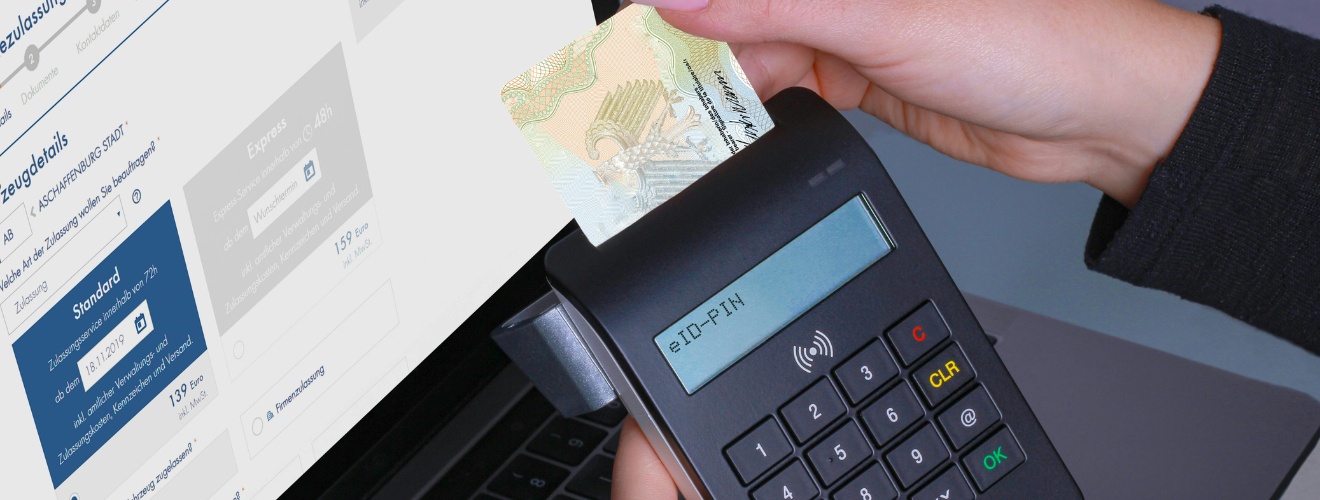


The circulation of money is undergoing its most radical transformation in the 21st century. After centuries of relying on physical banknotes, we now stand at the threshold of a frictionless economy. Contactless payments offer a convenient, modern alternative to traditional forms of exchange.
Also Read: Innovations Driving the Growth of Contactless Payment Solutions Worldwide
The Technology of The Tap
Contactless payments, as the name suggests, do not require physical contact with the recipient or point-of-sale in order to transfer money. NFC, which stands for “near-field communication”, is the technology that powers contactless payments. To transfer money, just hover your smartphone or smart card to send RFID radio frequencies, allowing it to communicate with the payment reader.
The Anatomy of a Transaction
The primary selling point of contactless payments is their speed. This method transfers money much faster than any other payment method. Payments happened in less than 300-500 milliseconds, faster than the blink of an eye! During this split second, the following events occur:
- Receiving the Signal and Acceptance: The phone or card emits a signal, which an NFC device accepts.
- Cryptogram Generation: The device’s Secure Element (a dedicated microchip) generates a cryptogram. Cryptograms are unique, one-time code which consists of the transaction details.
- Data Transmission: The device transmits this cryptogram to the bank’s servers.
- Authorization: The data gets forwarded to the bank’s networks. When the money transfers successfully, the network marks the transaction as complete.
The loop of events happens over fibre-optic connections in mere milliseconds. The efficiency of this process has made contactless payments the preferred method of payment for many.
Empowering Security with Tokenization
Consumer anxiety regarding the safety of contactless payments remains a significant barrier preventing its adoption. The idea of sending financial data in mere moments, where anything could go wrong because of a finicky internet connection, is a valid cause for concern. However, contactless payments are significantly more secure than their predecessors.
The forefront of security in digital finance is tokenization. In a traditional credit card economy, if hackers breach a vendor’s database (as happened in the Target and Home Depot attacks of the 2010s), they steal millions of credit card numbers.
Contactless payments through apps such as Apple Pay do not transmit credit card numbers. Instead, they rely on tokens. When you add a card to your digital wallet, the bank issues a token that stands in for your actual card. When you pay, the phone transmits the token. If a hacker intercepts the transmission or breaches the vendor’s system, they find only tokens. These tokens are useless outside of the specific context of that device.
The evolution of contactless payments represents more than just a technological upgrade; it is a fundamental shift in the core idea of exchanging money. We are transitioning to a friction-free economy where payments become an integrated, almost invisible aspect of daily life.
